Why a CMMS? Lessons from a more mature maintenance market

At Siveco China we tend to emphasize how the Chinese maintenance market is different from that of the more mature Western economies, differences we have come to call “maintenance with Chinese characteristics”.
read moreTwo schools of thought on the evolution of the Chinese maintenance market

Listening to the various speakers at the 8th Annual Process Industry Engineering and Maintenance Congress, and talking to attendees during the breaks, one could clearly distinguish two schools of thought on how the Chinese maintenance market will evolve. One is based on applying a Western models and waiting for China to adapt to it. The other believes in inventing new ways, “with Chinese characteristics”.
read moreMaintenance and beyond: the death of “EAM”
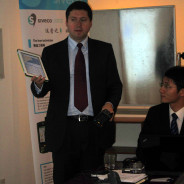
In a recent interview by China Plant Engineering magazine, I spoke about the “death of EAM”… This interview apparently drew a lot of attention. How can software introduced more than 15 years ago, long before even mobile phones and internet connections became common (I distinctly remember a time when I was implementing EAM systems but did not own a personal mobile phone), represent a modern approach to maintenance?
read moreMaintenance with Chinese characteristics: interview with Siveco China’s GM
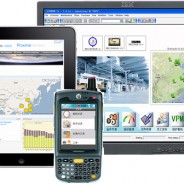
This interview of Siveco China’s General Manager was published in China Plant Engineering in December 2011.
read moreExpanding with Siveco in Southeast Asia
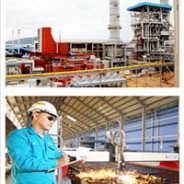
Operating from China, Siveco has already grown a significant customer base in Southeast Asia including major infrastructure projects.
read moreService Oriented Architecture in practice: how does SOA help improve your plant reliability?
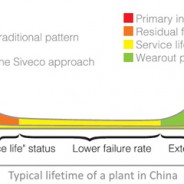
In the past few months we have received more and more enquiries from customers about our SOA capabilities. Apparently, some of the “EAM” software vendors have based their marketing largely on claiming to have an all-powerful Service-Oriented Architecture (SOA), while other maintenance software would be “rigid” and “closed”.
read more